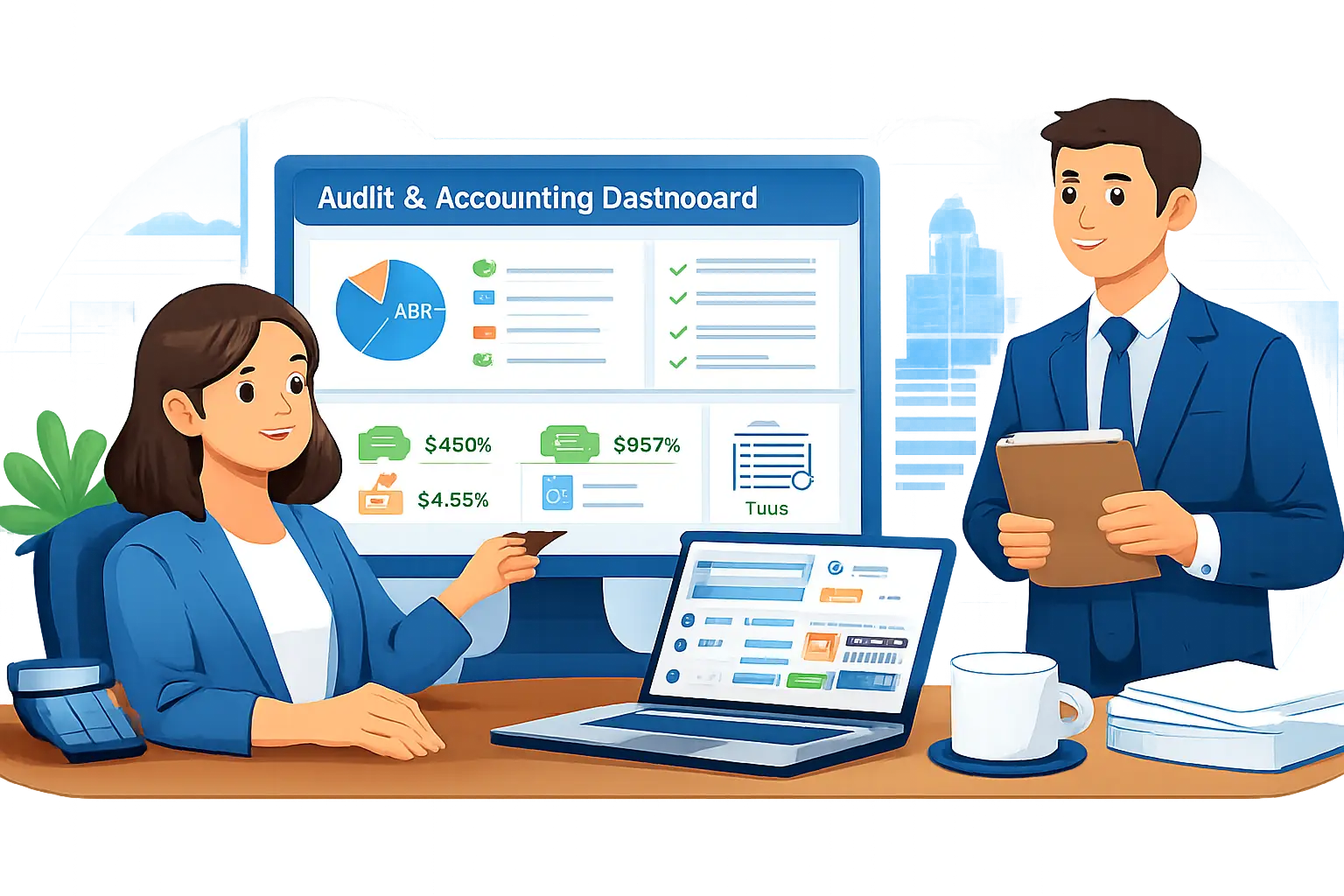
Audit work depends on control: who requested what, who uploaded evidence, what is pending, what has been reviewed, and how much time the team spent on the engagement.
1. Client portal for PBC requests
A strong audit workflow system should let the firm send document requests, track pending items, and receive client uploads in one controlled place. This reduces email chasing and keeps the audit trail easier to follow.
For UAE firms handling multiple clients at the same time, the biggest benefit is not only document collection. It is knowing which client has responded, which request is overdue, and which evidence still needs review before fieldwork can move forward.
2. Engagement projects and task ownership
Each engagement should have stages, owners, due dates, review steps and clear progress visibility. Partners and managers need to see where work is blocked without waiting for manual status updates.
- Engagement setup with stages and deadlines
- Task assignment for preparers, reviewers and managers
- Client-side request tracking for pending PBC items
- Internal review notes and status updates
3. Time tracking and utilization reports
Task timers and timesheets help firms understand team load, client profitability and time spent versus budget. This is especially important for recurring audits and multi-client teams.
Without time visibility, firms may only discover margin issues after the engagement is complete. A practical system should show work-in-progress, team utilization and high-effort clients early enough for managers to act.
4. Secure document control
Audit documents are sensitive. Look for role-based access, controlled sharing, upload history and a clear separation between internal staff and client portal users.
5. Reporting partners can actually use
Partner reporting should be simple: open engagements, overdue client requests, team workload, review bottlenecks and completed work. A dashboard that only shows generic task counts will not help a busy audit firm make faster decisions.
Common workflow problems to avoid
- Using email inboxes as the main PBC tracking system
- Keeping engagement status in separate spreadsheets
- Allowing client documents to be shared without clear access control
- Tracking staff time after the work is already complete
A simple rollout approach
Start with one engagement type, define the request templates, set user roles, import active clients and train the team on task updates. Once the workflow is stable, expand to recurring audits, accounting work and advisory assignments.
How Zeyora helps
Zeyora connects CRM, client portal, projects, task tracking, documents and reporting so audit firms can manage work from onboarding to final delivery in one workflow.
Related Zeyora pages
Explore the audit solution and project module for engagement workflow control.