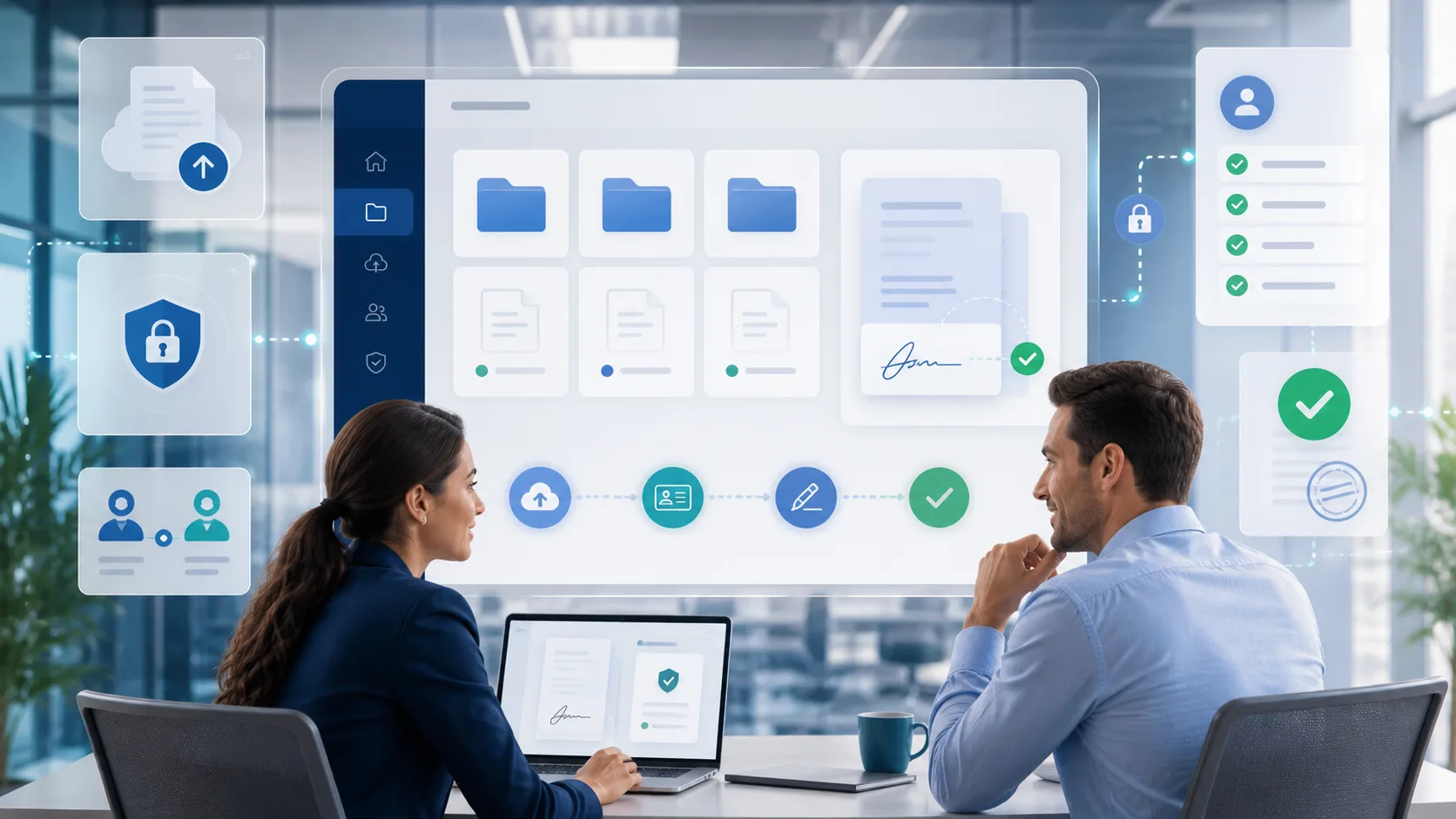
E-invoicing readiness is not only about API connections. It starts with structured customer records, invoice fields, approval history and finance discipline.
1. Clean customer master data
Customer names, tax registration numbers, billing addresses, contact details and payment terms should be stored consistently across your business system.
If customer data is incomplete or duplicated, invoice preparation becomes slower and error-prone. Cleaning this data early helps teams prepare for more structured invoicing workflows.
2. Structured invoice creation
Invoices should be generated from clear fields: items, quantities, taxes, totals, discounts, currencies and customer details. This reduces manual errors and future integration risk.
- Consistent customer and company details
- Clear invoice numbering and document history
- Item, quantity, tax and total fields stored as data
- PDF sharing and internal approval history
3. Approval and audit trail
Companies should know who created, reviewed, approved, shared and updated invoices. This matters for compliance and internal control.
4. Connect invoices with customer records
Invoice readiness improves when invoices are linked to customers, quotations, projects and payment status. This gives management a clearer view of receivables and reduces manual reconciliation between sales and finance teams.
Practical readiness checklist
- Clean customer records and remove duplicates
- Standardize quotation and invoice templates
- Define who can create, approve and send invoices
- Track payment status and receivables follow-up
- Keep invoice PDFs and related documents in one system
Start before requirements become urgent
Businesses do not need to wait for every technical requirement to be finalized before improving their billing workflow. Better data, templates, approvals and reporting will help whether e-invoicing integration is required immediately or later.
How Zeyora helps
Zeyora supports structured billing workflows, customer records, approvals and finance visibility so SMEs can prepare for more formal e-invoicing requirements.